Appalachian Frontier

Wild &
Wonderful.

Long before 1863, a harsh frontier hidden deep in the Appalachian Mountains.

Culture Cuisine Folklore Literature
1863 Statehood
1700s First Settlers
2 Major Rivers
3 Settler Origins

Introduction

A Land Walled
by Mountains

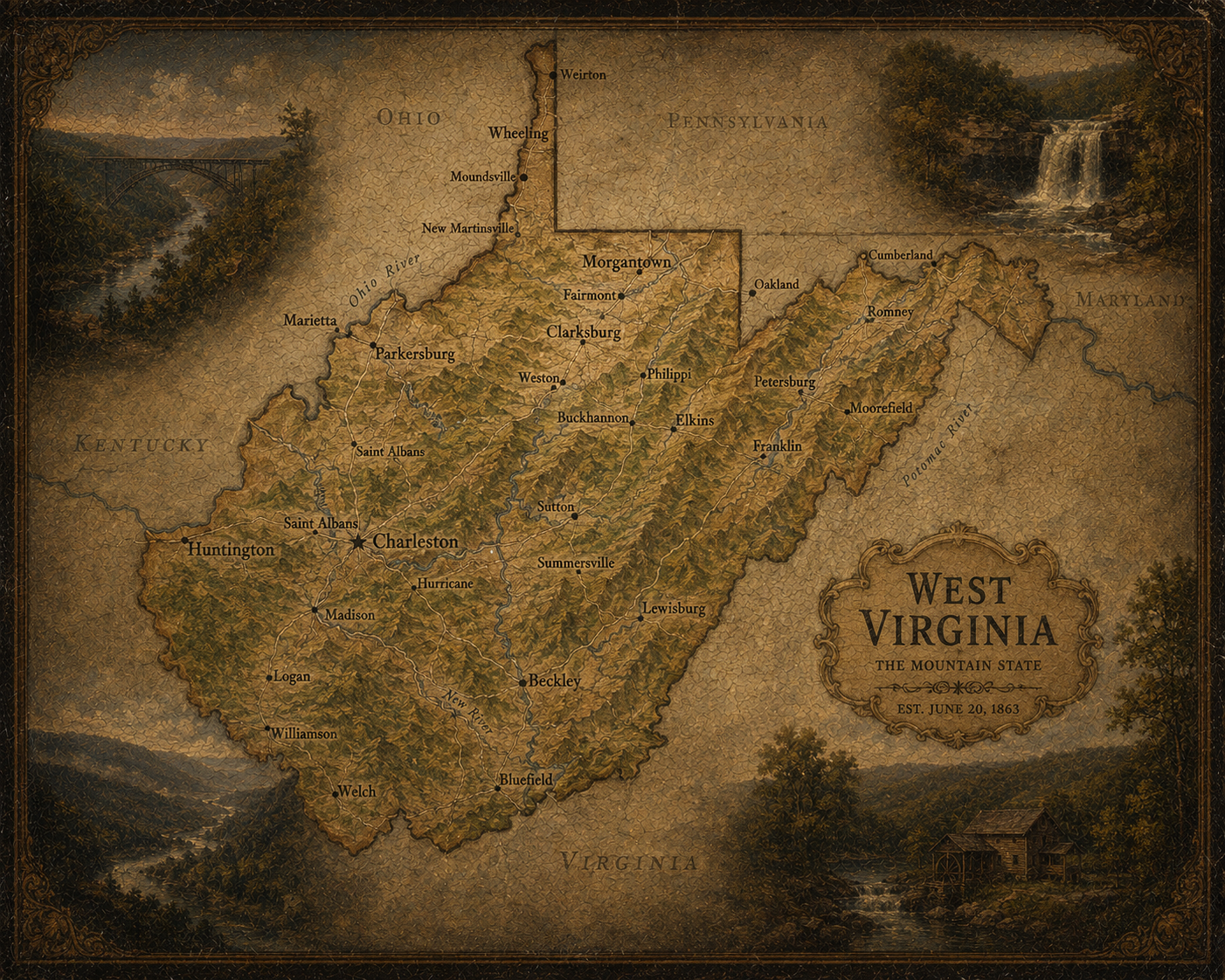
Naturally isolated by the Blue Ridge Mountains to the east and the Ohio River to the west, with the Kanawha River cutting through its heart.

Its isolation forged a completely unique, resilient identity among the people who survived its brutal winters and rugged terrain.
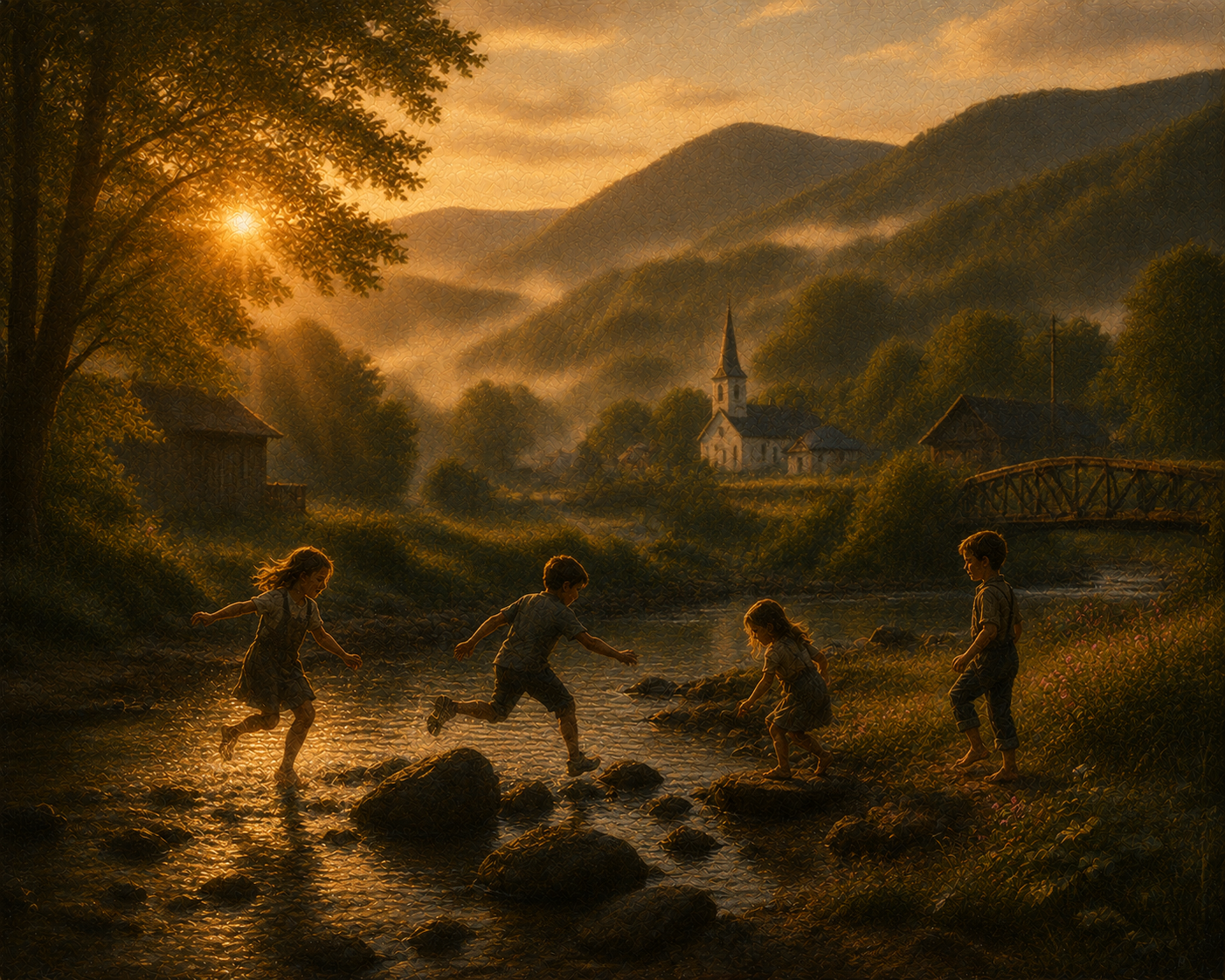
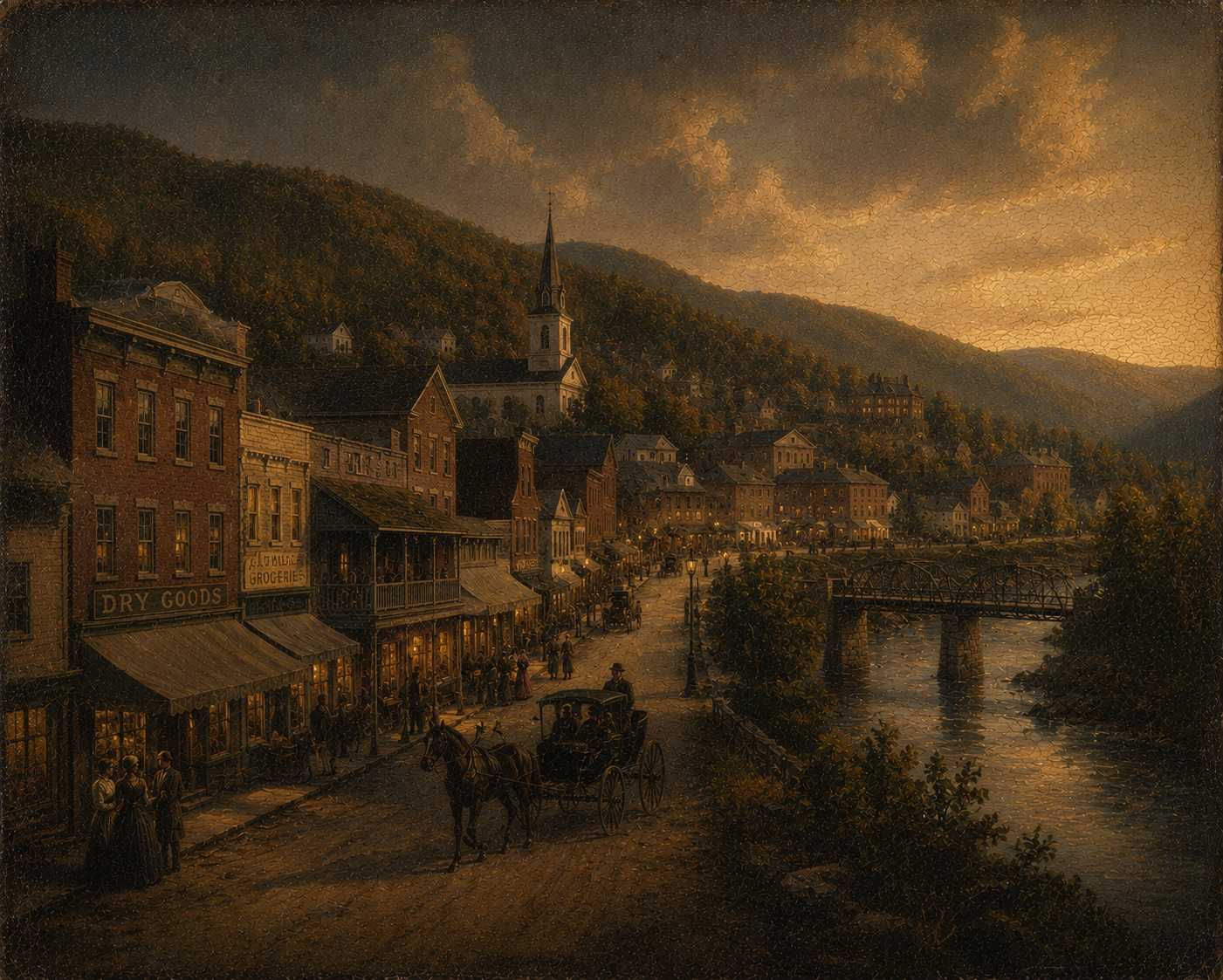
West Virginia landscape
Illustrated map of West Virginia Tap to expand

Cultural Fusion

Where Worlds
Collided

Native Americans

Home of the Mound Builders (Adena & Hopewell) and hunting grounds for the Shawnee, Cherokee, and Mingo tribes.

Pre-colonial

European Pioneers

Primarily Scots-Irish, German, and English immigrants arrived in the 1700s, blending Old World customs with Native survival skills.

1700s
West Virginia landscape

Cuisine

Hearty Appalachian Table

Shaped by rural life, mining communities, and local ingredients. Hearty, simple, and designed for physically demanding work.

Pepperoni Roll

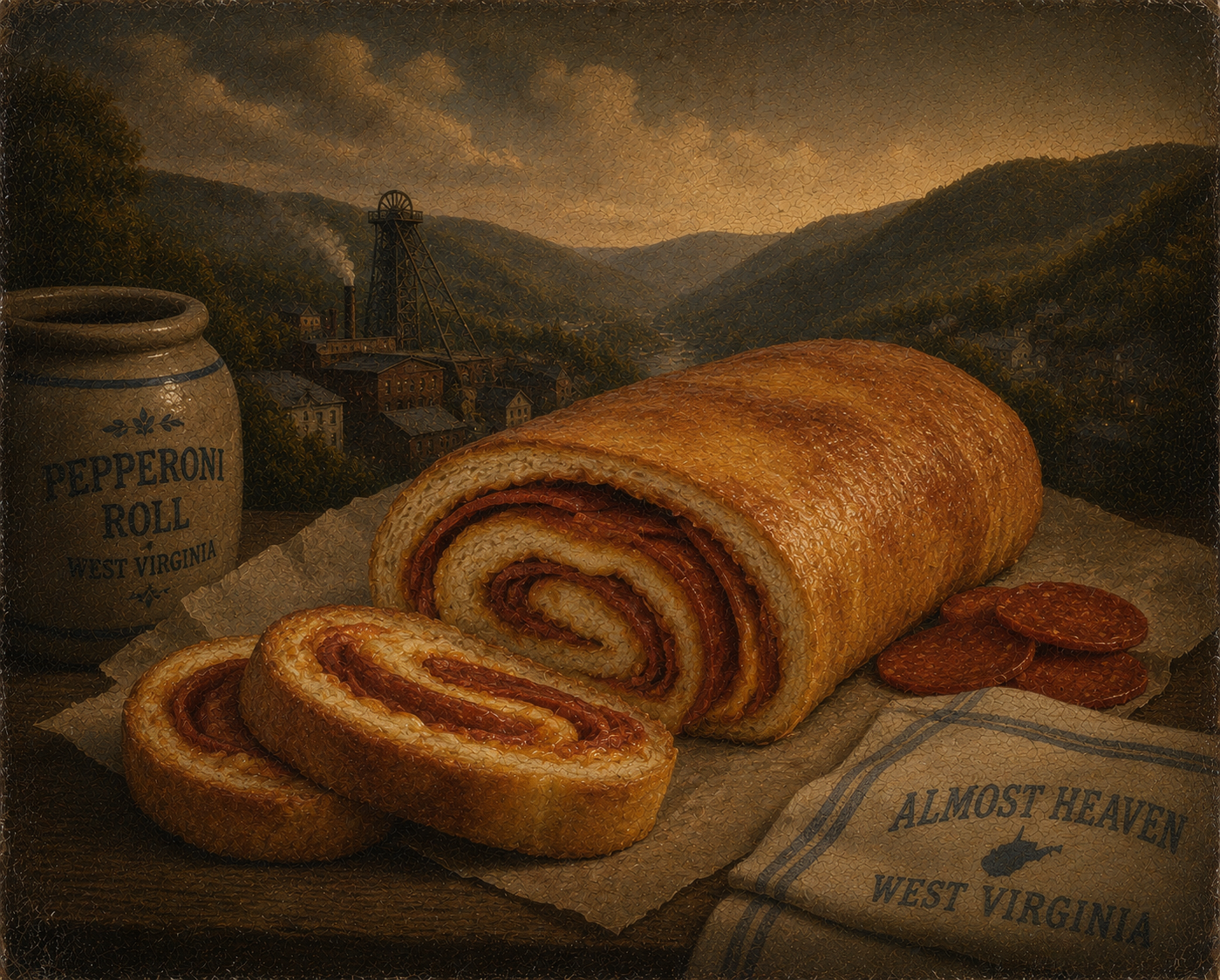
Pepperoni Roll

Soft bread filled with pepperoni, born as a coal miners' portable meal. The state's most iconic food.

Ramp Dishes

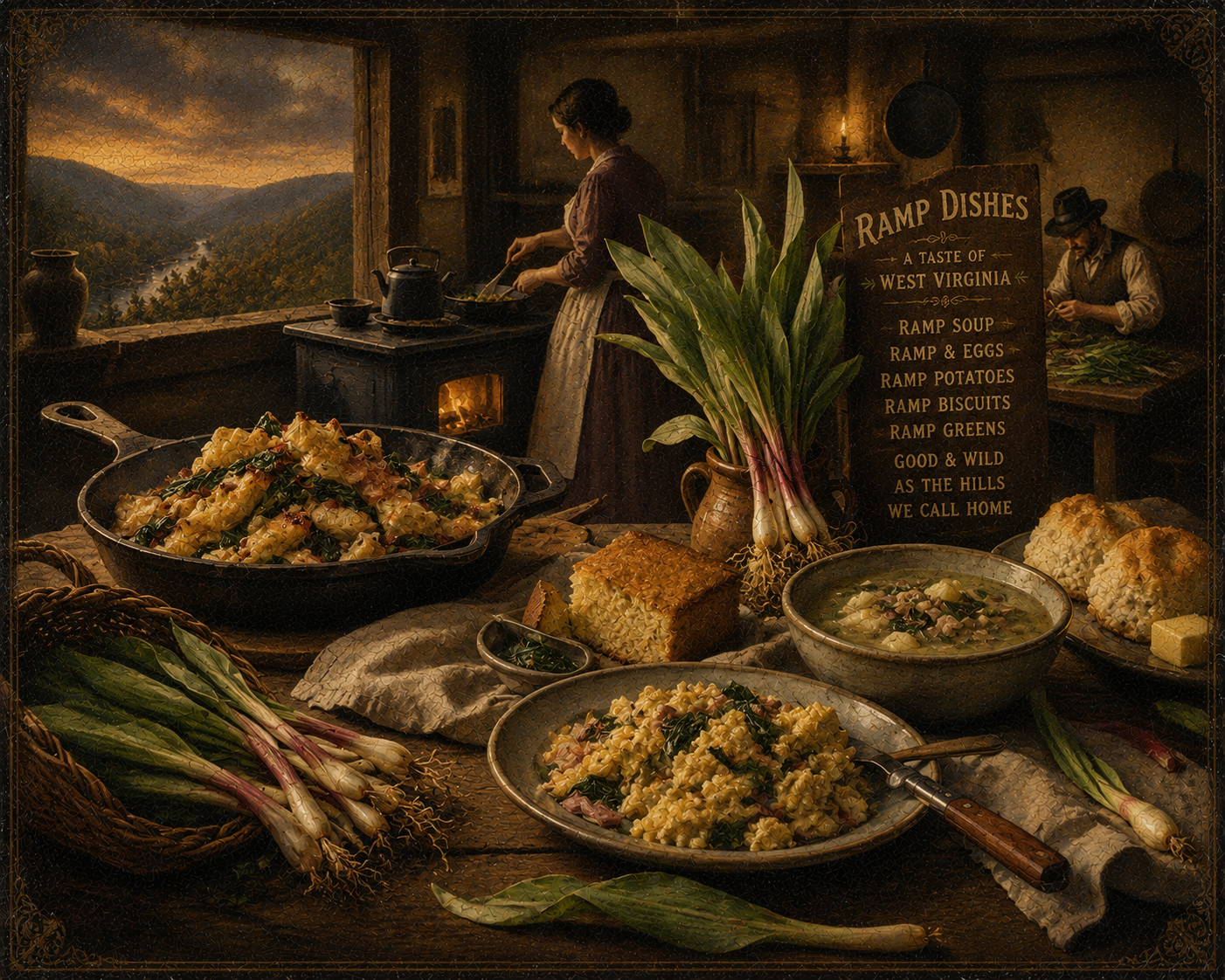
Ramp Dishes

Wild spring onions with a strong flavor, used in eggs, soups, and fried dishes. Celebrated at spring festivals.

Biscuits and Gravy

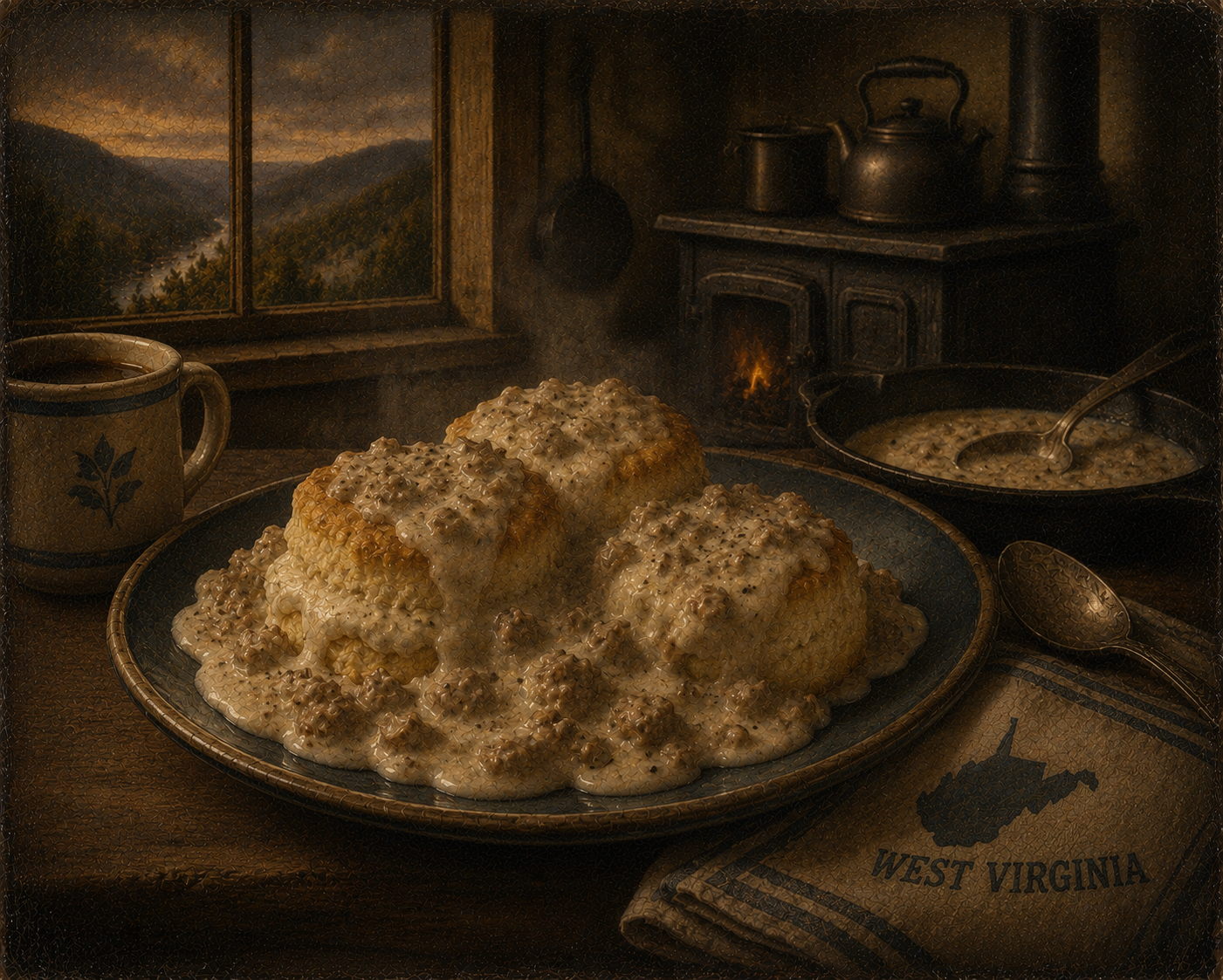
Biscuits & Gravy

Classic Southern breakfast: fluffy biscuits covered in thick sausage gravy.

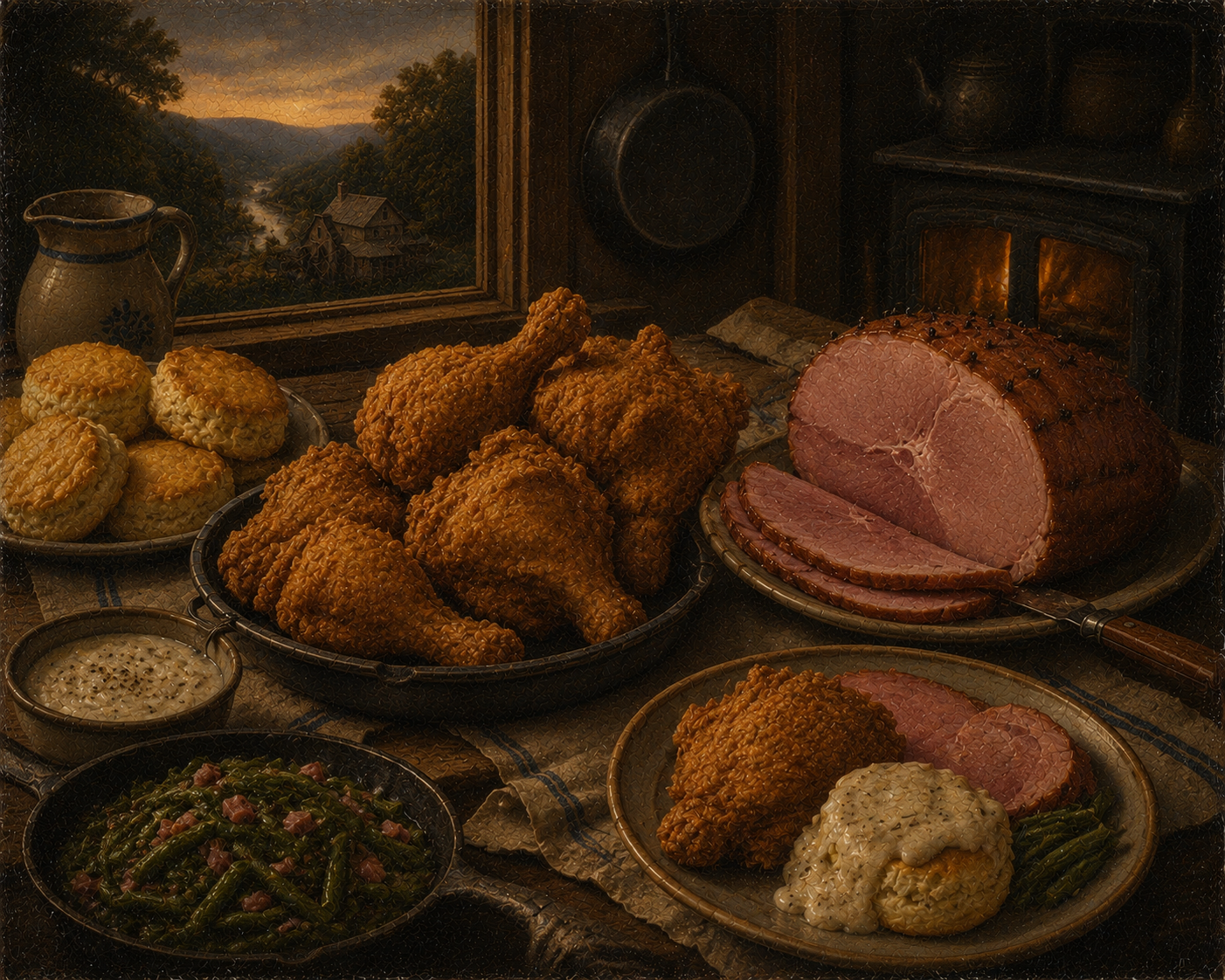
Fried Chicken and Ham

Fried Chicken & Ham

Crispy fried chicken and salt-cured country ham — Southern-influenced staples.

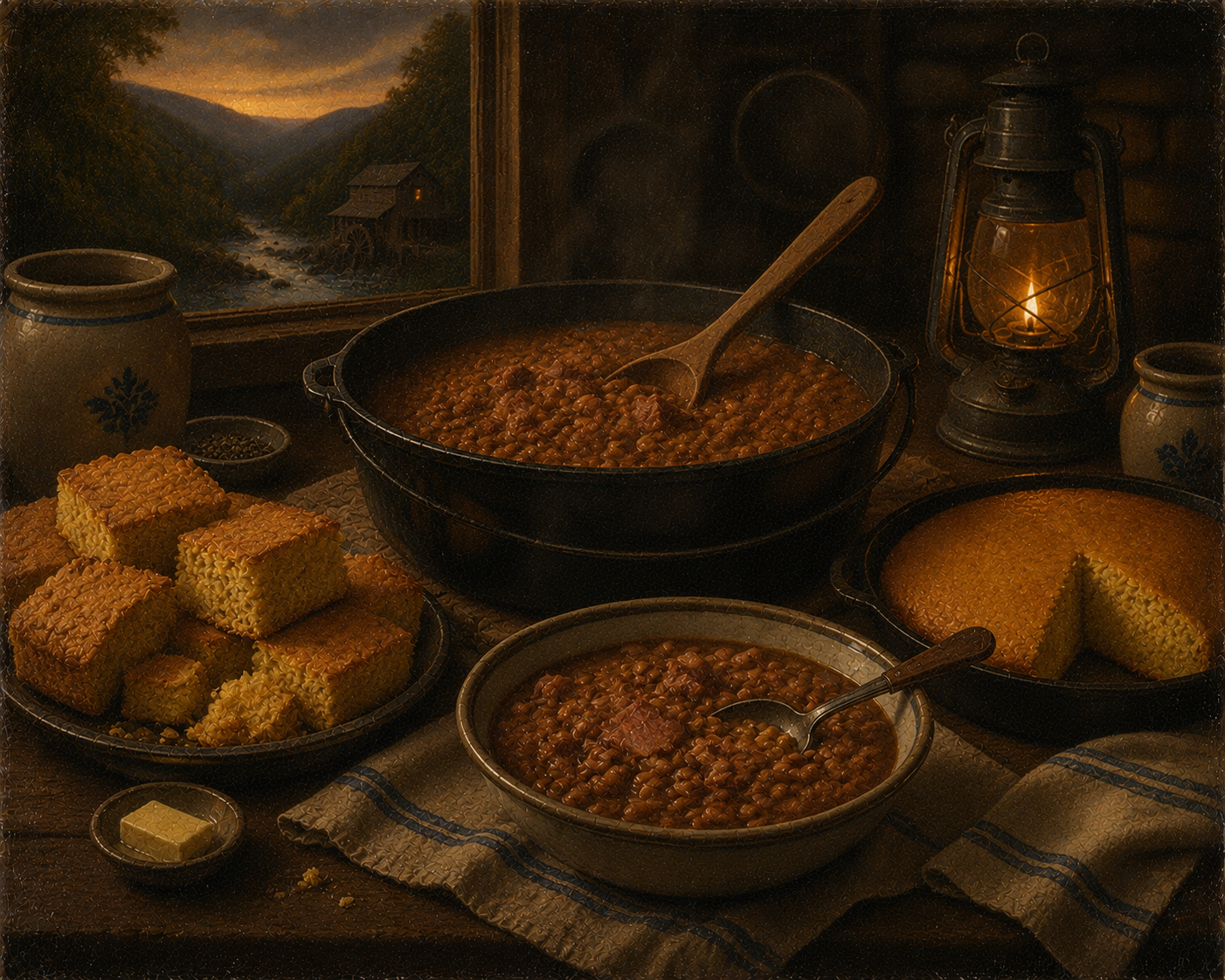
Beans and Cornbread

Beans & Cornbread

Slow-cooked beans served with cornbread — simple, traditional, deeply Appalachian.

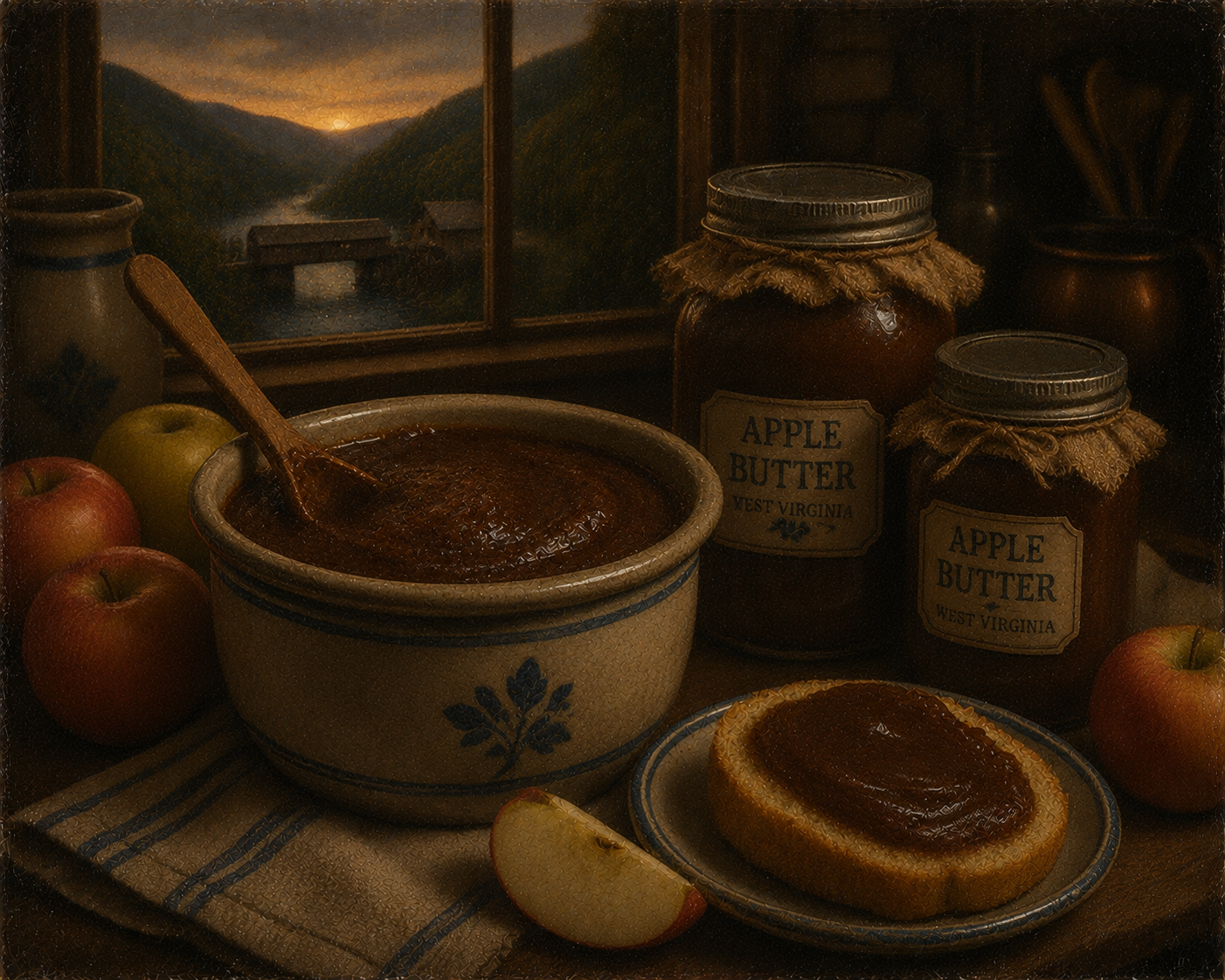
Apple Butter

Apple Butter

Thick, spiced apple spread made by slow-cooking apples for hours. A beloved Appalachian dessert.

Folklore

Myths &
Legends

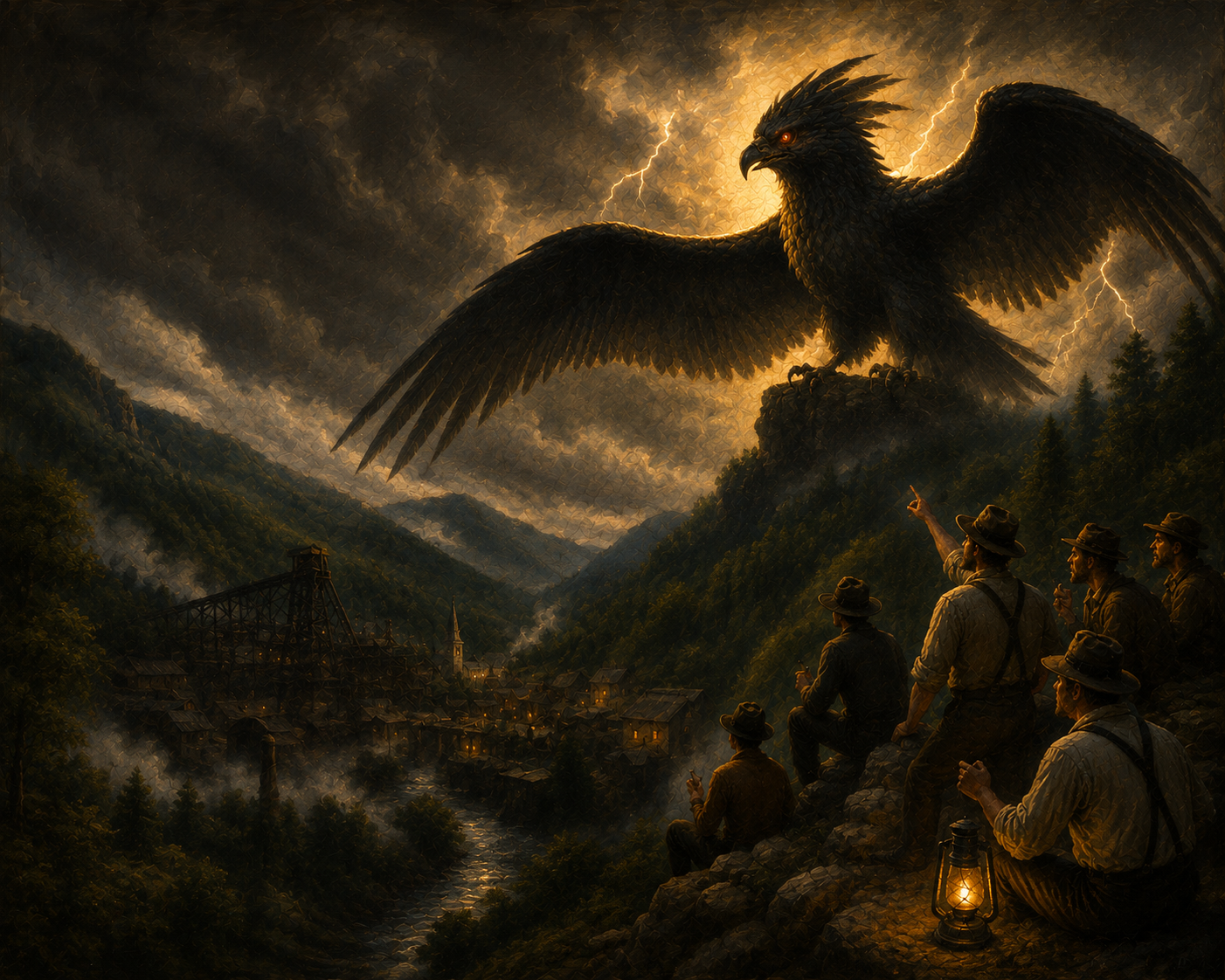
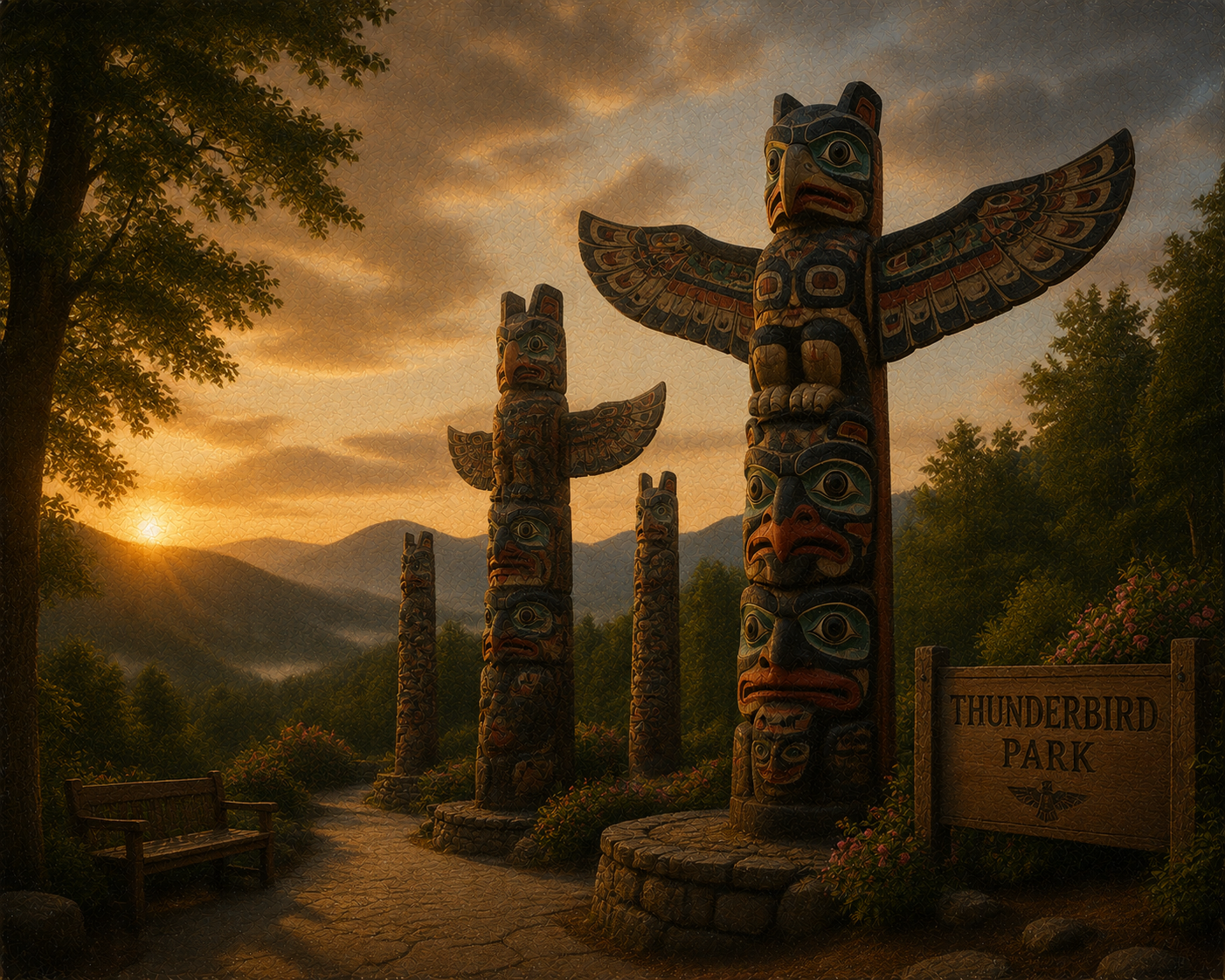
The Thunderbird

The Shawnee passed down tales of a powerful storm spirit and mystic creatures lurking in the deep currents of the Ohio River.

John Henry

An African American steel-driving man who raced a steam drill at Big Bend Tunnel in the 1870s. He won, but his heart gave out — the ultimate symbol of human resilience against the machine.

The Thunderbird legend

Literature

Voices from the Mountains

Appalachian literature focuses on rural life, poverty, mining, and the strength of ordinary people — realistic, sometimes dark, always deeply human.

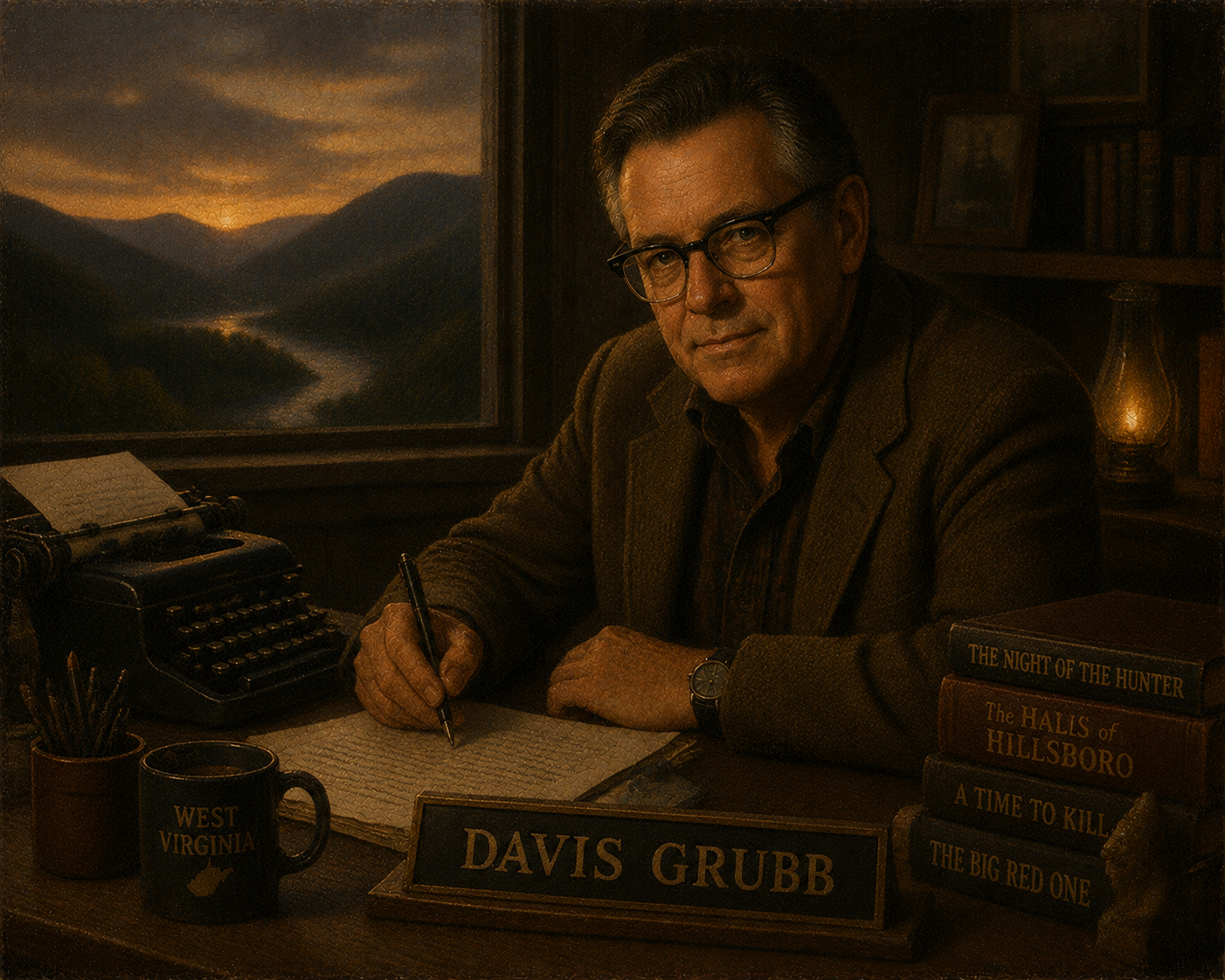
Davis Grubb

1919–1980 · Moundsville, WV
Davis Grubb

Best known for The Night of the Hunter (1953), a Southern Gothic masterpiece inspired by real-life serial killer Harry Powers. His villain, Preacher Harry Powell, became one of fiction's most terrifying figures.

Admired by Alfred Hitchcock, who adapted several short stories for television.

The Night of the Hunter Fool's Parade The Watchman

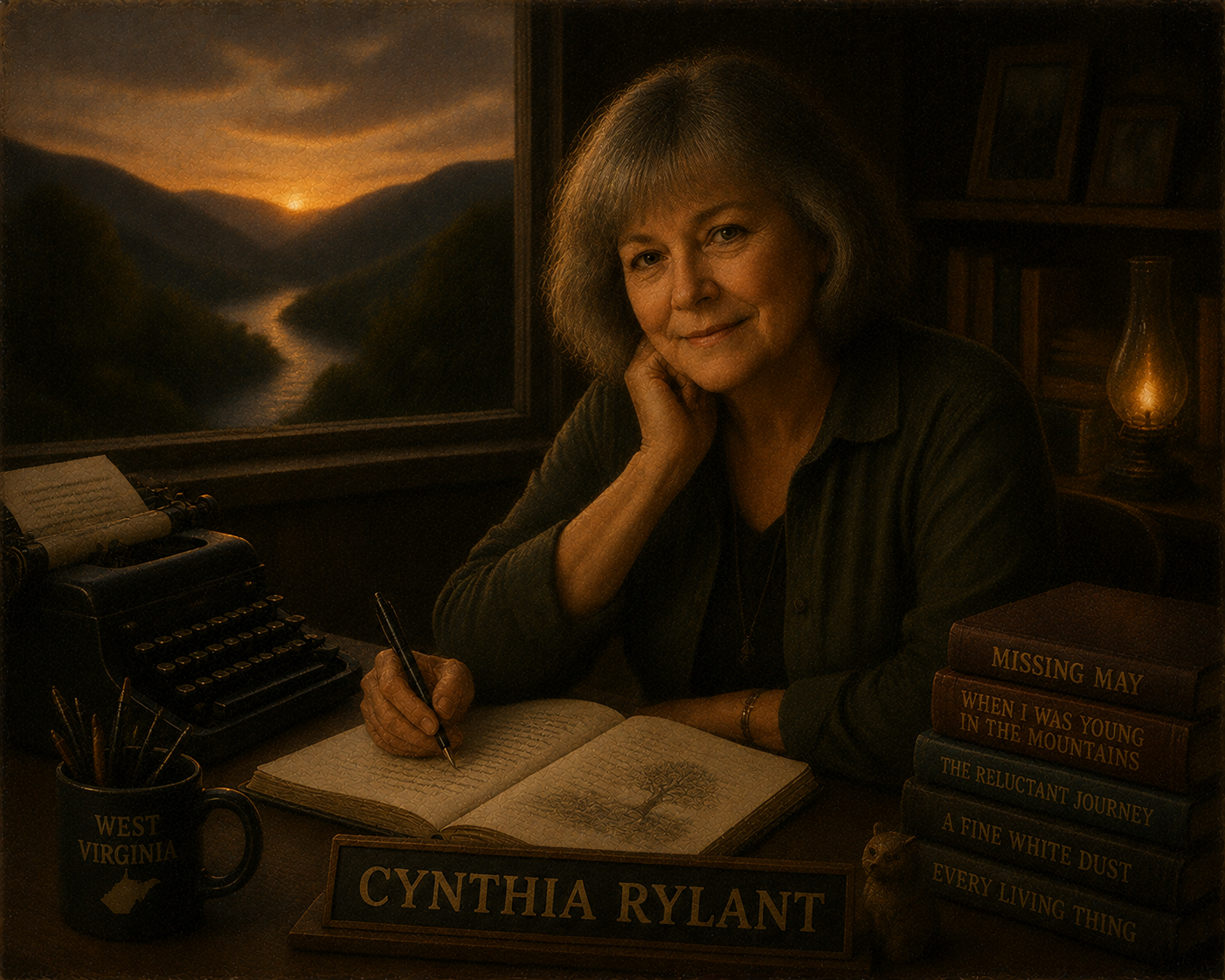
Cynthia Rylant

Children's & YA · West Virginia
Cynthia Rylant

Acclaimed for capturing the beauty and simplicity of Appalachian mountain life. Her Missing May (1992) won the Newbery Medal, exploring grief and healing in rural WV.

Creator of beloved early-reader series Henry and Mudge and Mr. Putter & Tabby.

Missing May — Newbery Medal When I Was Young in the Mountains A Fine White Dust

Religious Views

Cosmogony & Totem

The word totem derives from the Algonquian odoodem [o'tu:tεm], meaning "(their) kinship group."

Totem pole carvings symbolize and commemorate ancestors, clan lineages, legends, and notable events — a living record carved in cedar.

Each figure tells a story passed down through generations, connecting the living to the spirit world.

Totem poles at Thunderbird Park