Long before 1863, a harsh frontier hidden deep in the Appalachian Mountains.
Introduction
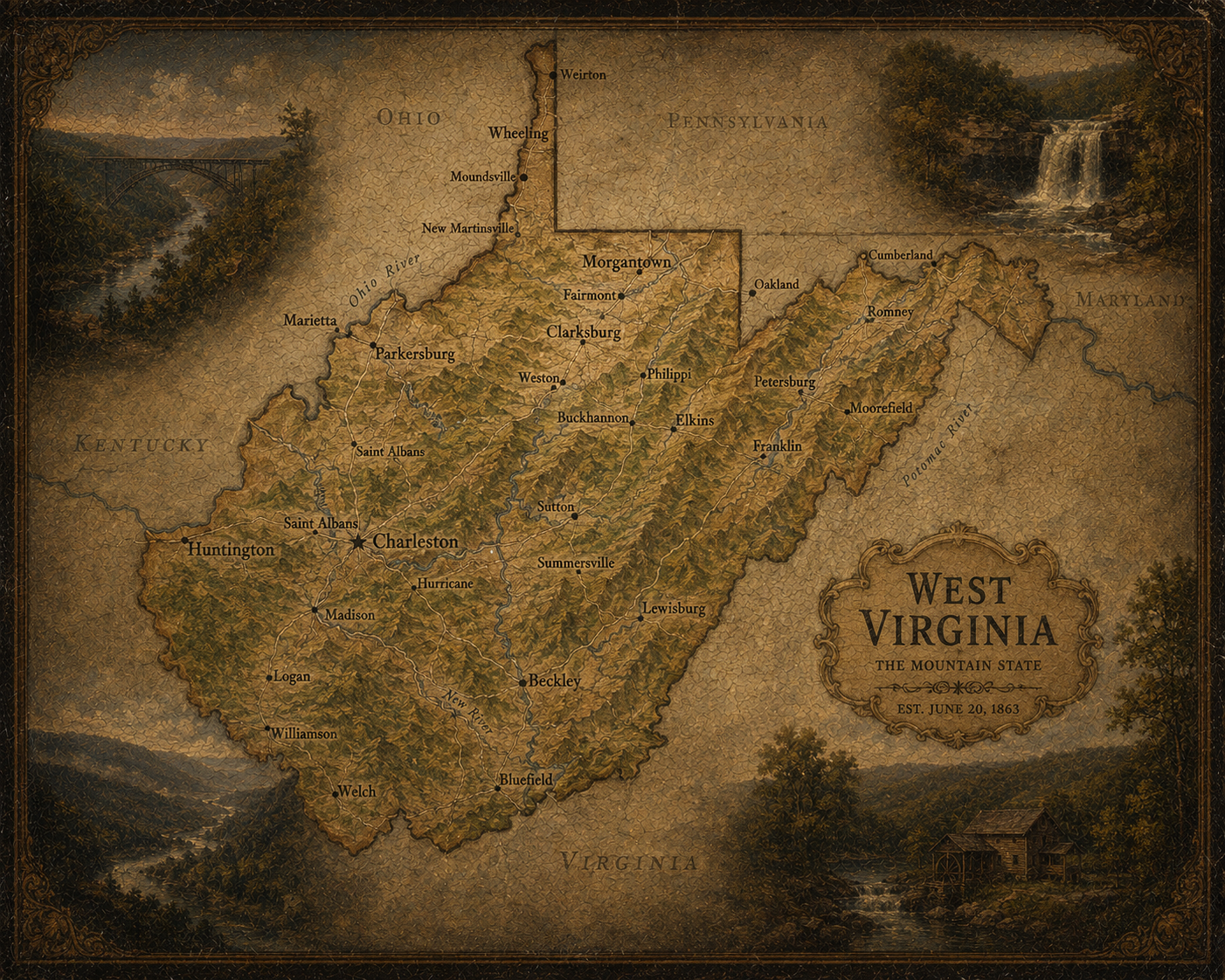
Naturally isolated by the Blue Ridge Mountains to the east and the Ohio River to the west, with the Kanawha River cutting through its heart.
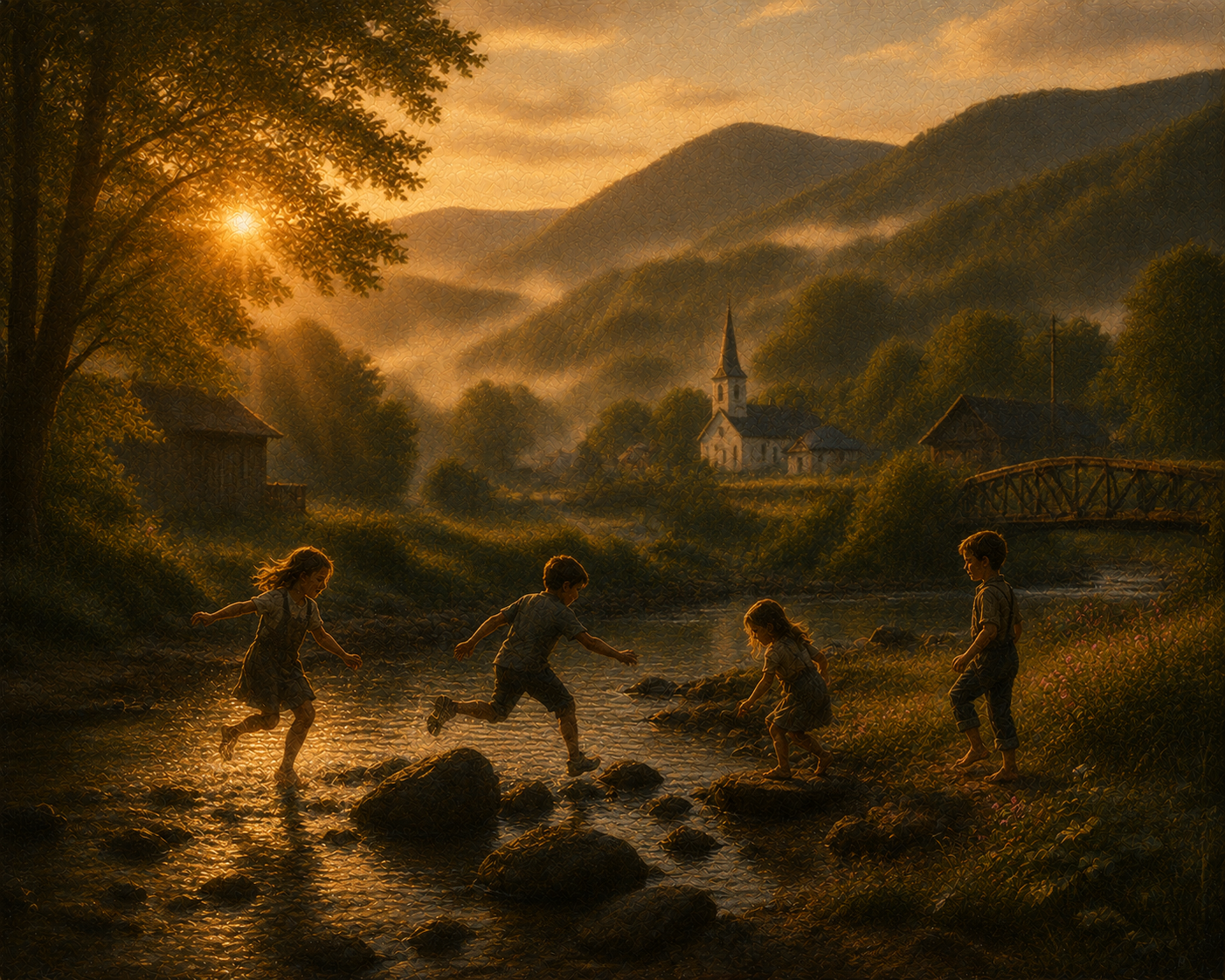
Its isolation forged a completely unique, resilient identity among the people who survived its brutal winters and rugged terrain.
Tap to expand
Cultural Fusion
Home of the Mound Builders (Adena & Hopewell) and hunting grounds for the Shawnee, Cherokee, and Mingo tribes.
Pre-colonialPrimarily Scots-Irish, German, and English immigrants arrived in the 1700s, blending Old World customs with Native survival skills.
1700s
Cuisine
Shaped by rural life, mining communities, and local ingredients. Hearty, simple, and designed for physically demanding work.
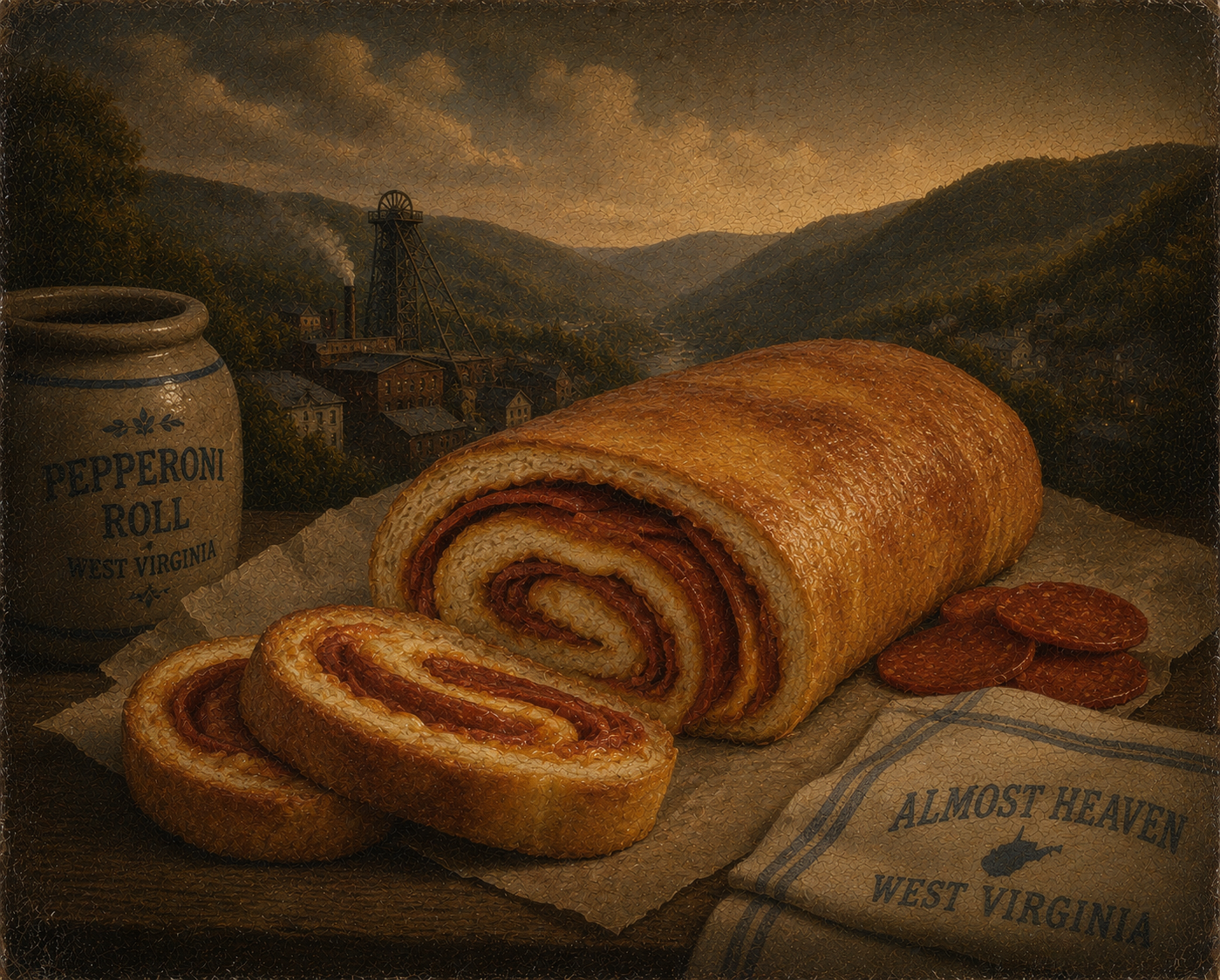
Soft bread filled with pepperoni, born as a coal miners' portable meal. The state's most iconic food.
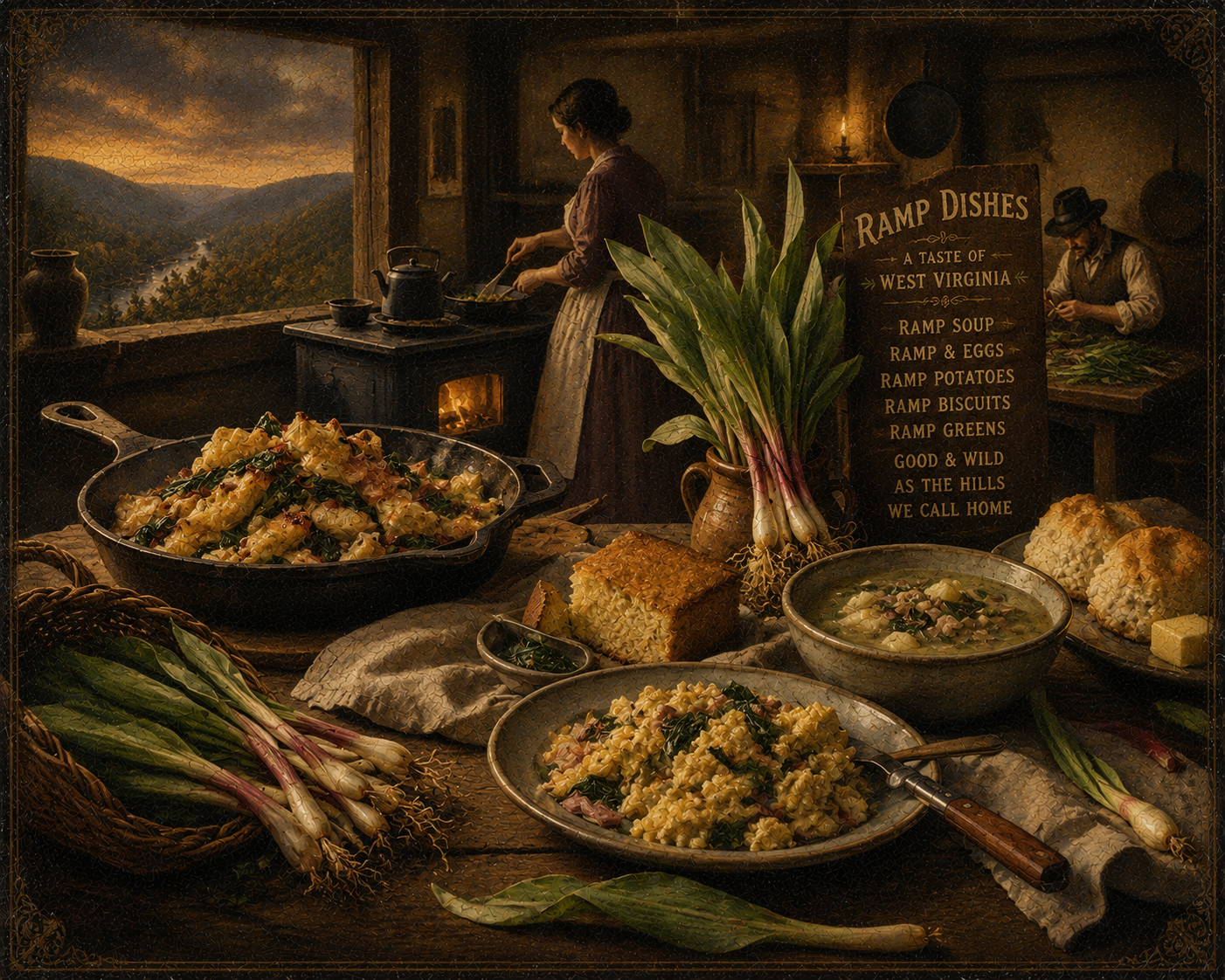
Wild spring onions with a strong flavor, used in eggs, soups, and fried dishes. Celebrated at spring festivals.
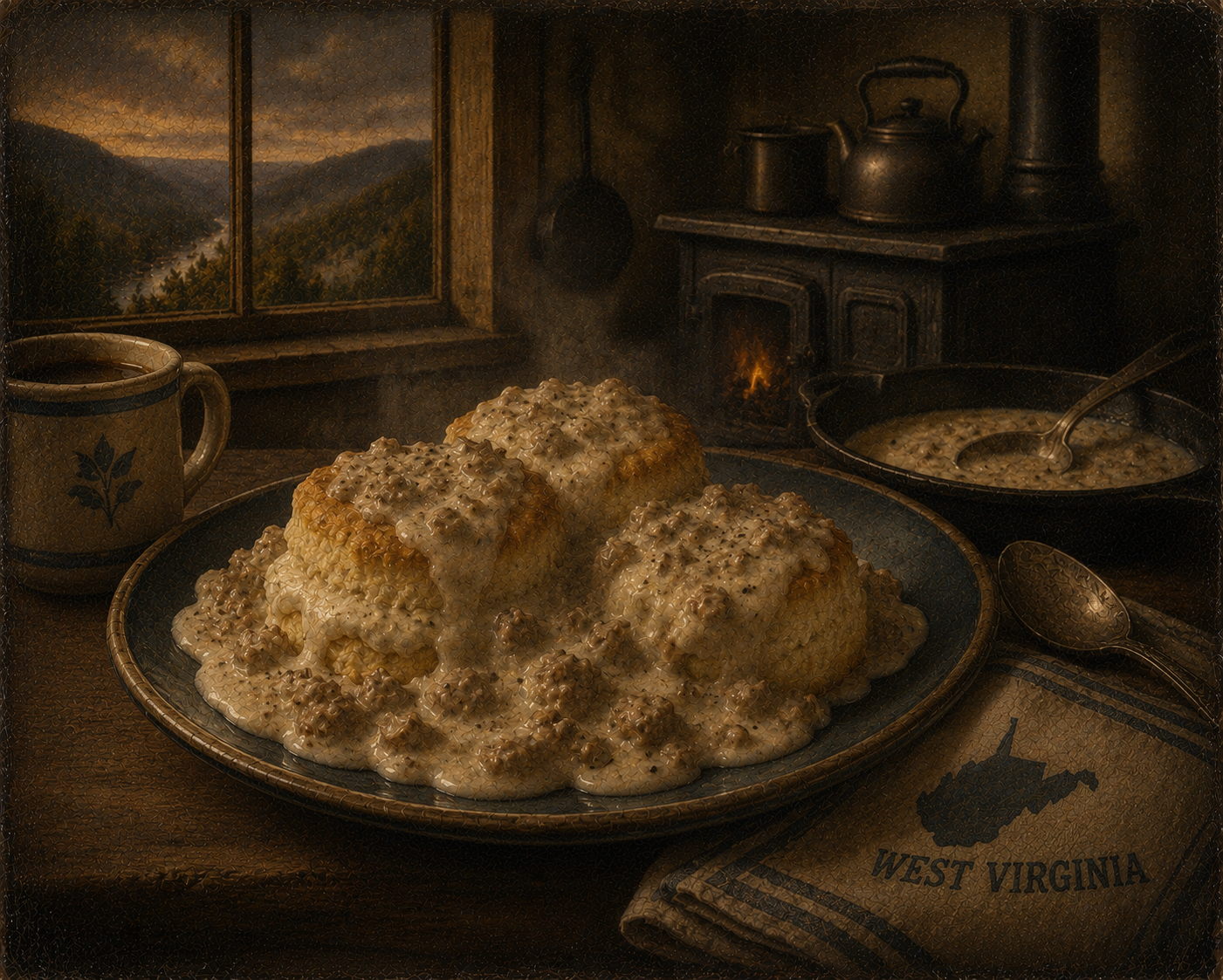
Classic Southern breakfast: fluffy biscuits covered in thick sausage gravy.
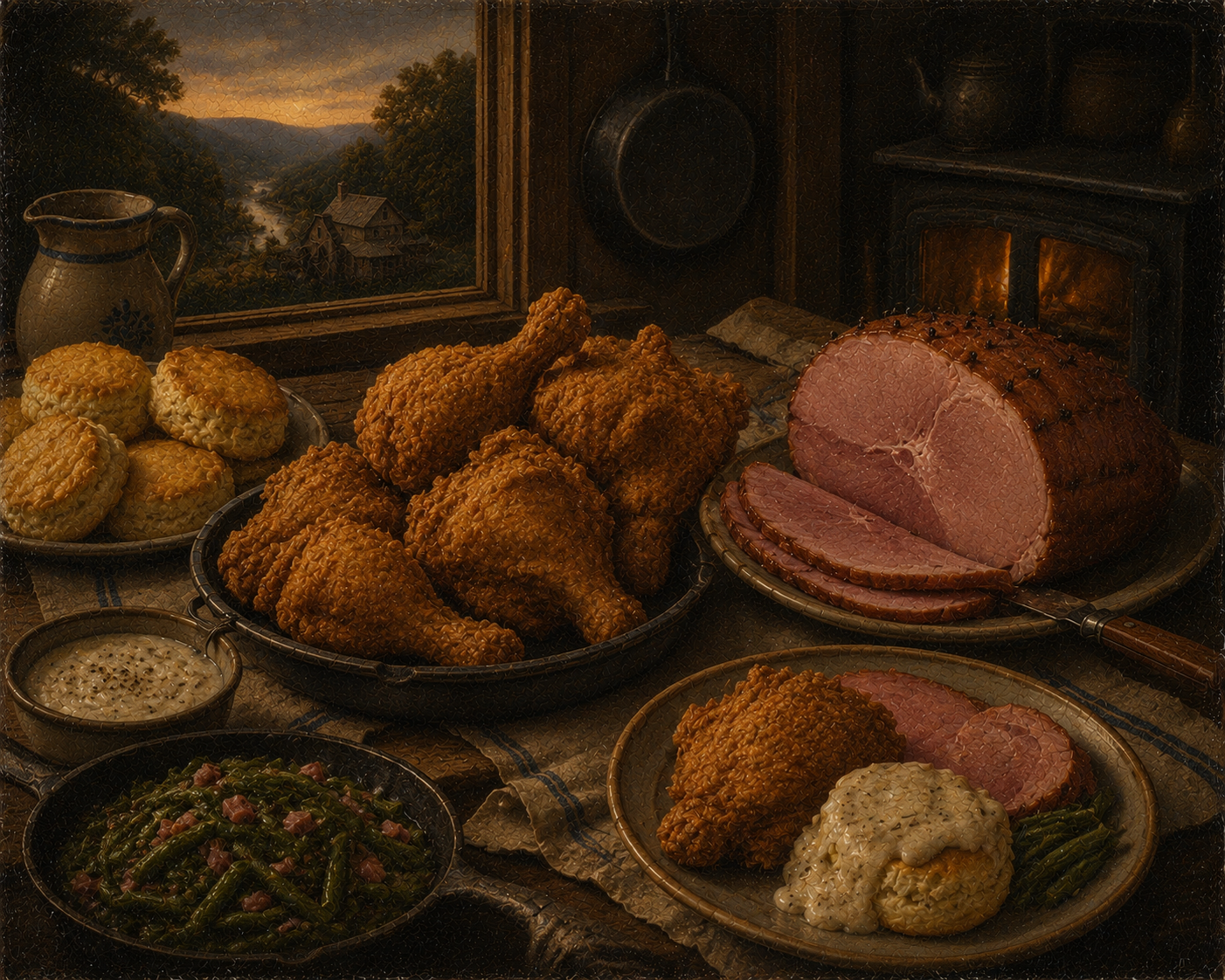
Crispy fried chicken and salt-cured country ham — Southern-influenced staples.
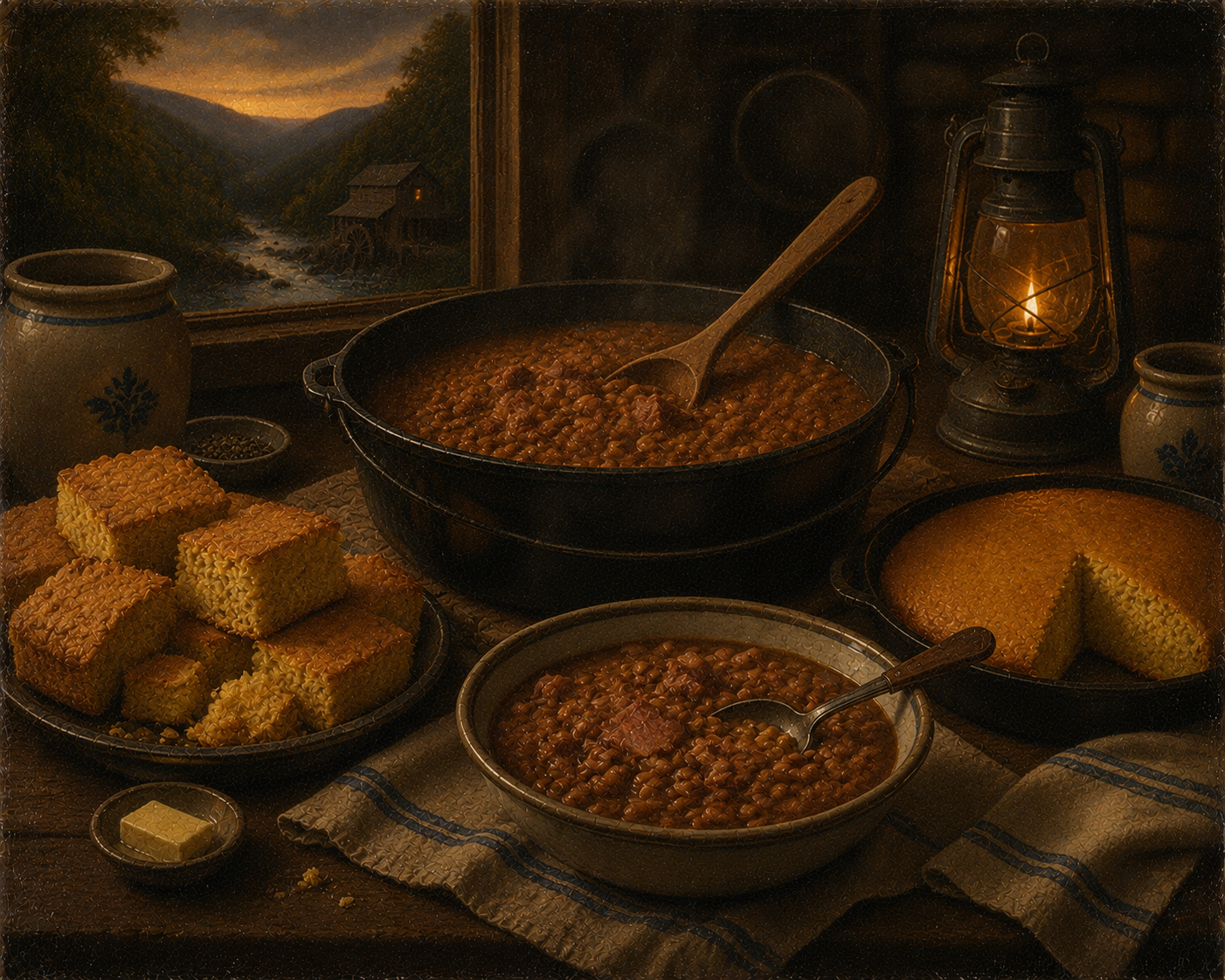
Slow-cooked beans served with cornbread — simple, traditional, deeply Appalachian.
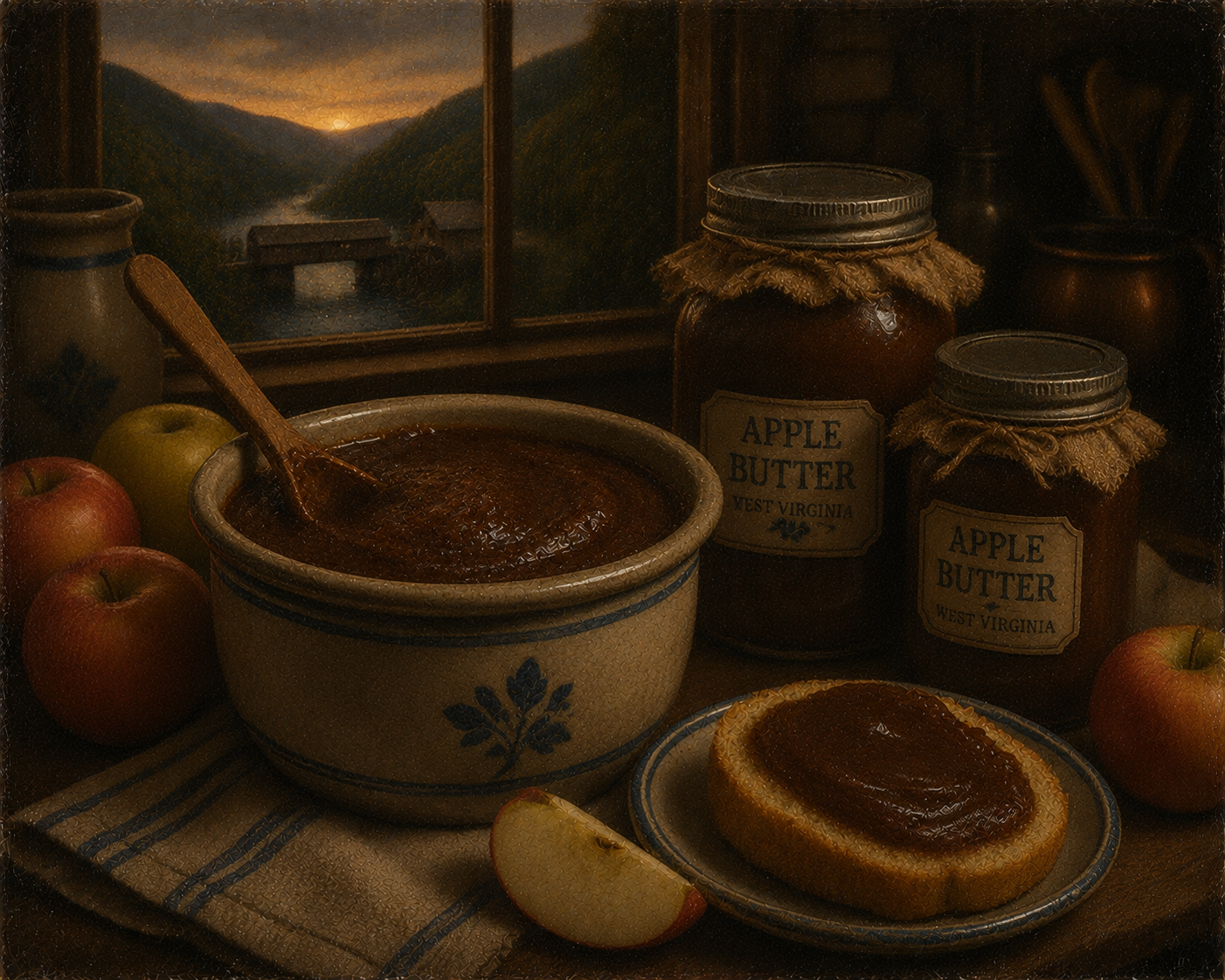
Thick, spiced apple spread made by slow-cooking apples for hours. A beloved Appalachian dessert.
Folklore
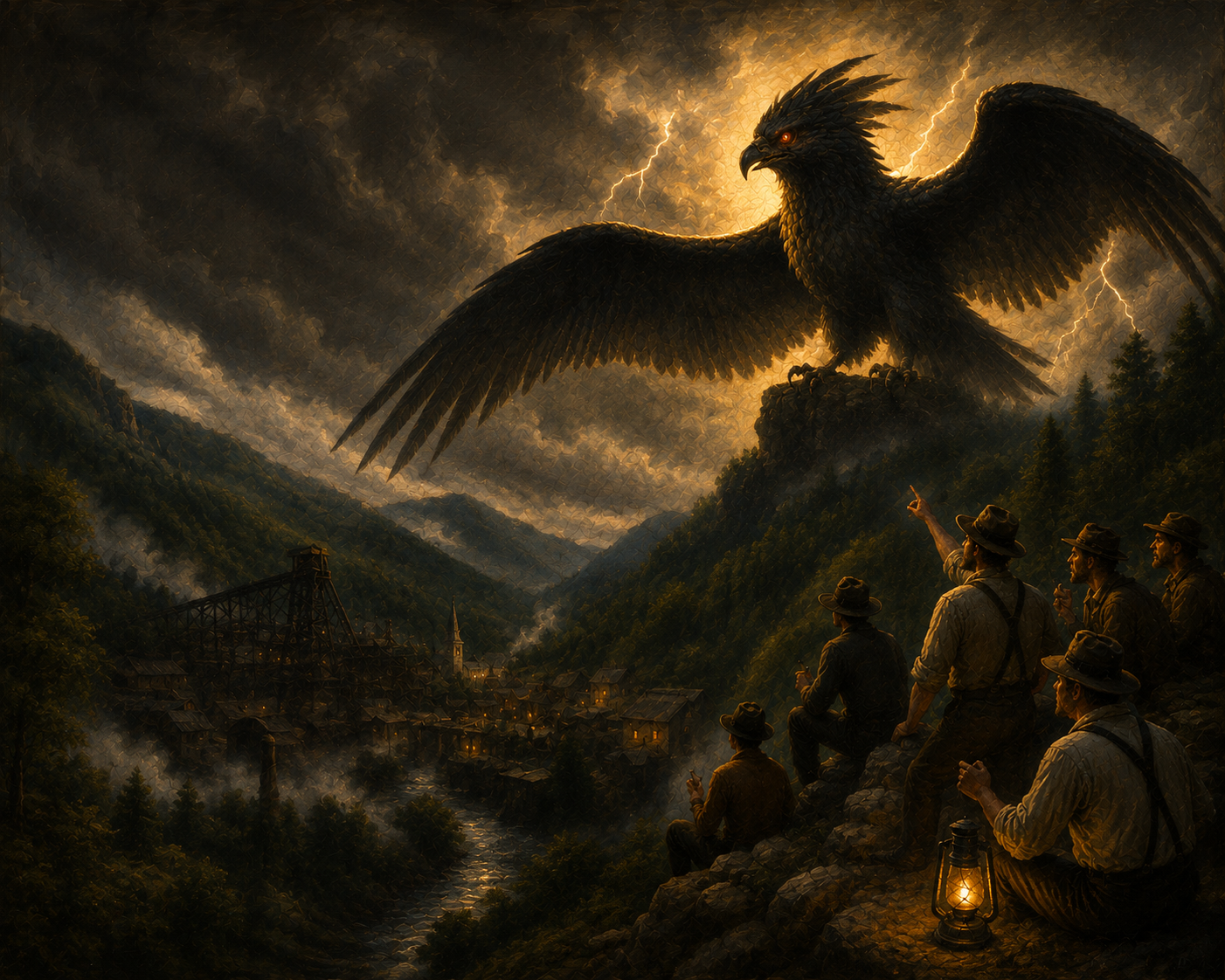
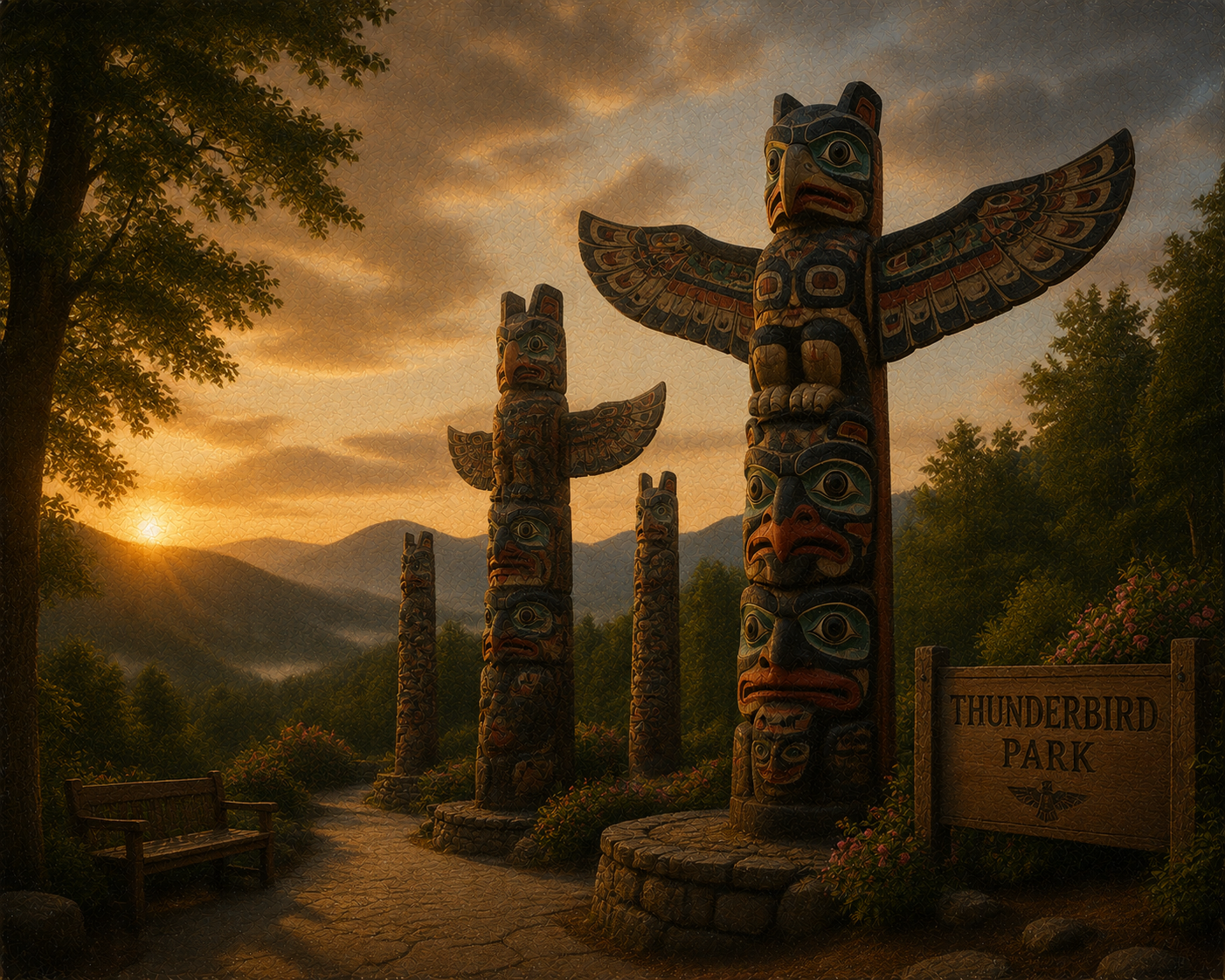
The Shawnee passed down tales of a powerful storm spirit and mystic creatures lurking in the deep currents of the Ohio River.
An African American steel-driving man who raced a steam drill at Big Bend Tunnel in the 1870s. He won, but his heart gave out — the ultimate symbol of human resilience against the machine.
Literature
Appalachian literature focuses on rural life, poverty, mining, and the strength of ordinary people — realistic, sometimes dark, always deeply human.